




How to Make the Perfect Malaysian Rendang with Shirataki Noodles
Cooking Malaysian Rendang with Shirataki Noodles is a delightful journey that fills your kitchen with mouthwatering aromas. I love how this dish transforms simple ingredients into a rich, flavorful meal that feels indulgent yet fits perfectly into my keto lifestyle. Let’s dive into the step-by-step process to create this irresistible dish!
Step 1 – Prep Your Ingredients Quickly
Before you start cooking, take a moment to gather and prep all your ingredients. This makes the cooking process smoother and more enjoyable. Chop the onion, mince the garlic and ginger, and cut the beef into 1-inch cubes. Having everything ready will help you focus on the cooking and savor the experience.
Step 2 – Begin Cooking
In a large pot or Dutch oven, heat the vegetable oil over medium heat. As the oil warms, the anticipation builds. Add the chopped onion and sauté until it turns translucent, about 5 minutes. The sweet aroma of the onion fills the air, setting the stage for the flavors to come. Next, stir in the minced garlic and ginger, cooking for an additional 2 minutes until fragrant. You’ll love how the kitchen starts to smell heavenly!
Step 3 – Combine Ingredients and Cook
Now it’s time to add the beef cubes to the pot. Brown them on all sides for about 5-7 minutes. This step is crucial as it locks in the juices and flavors. Once the beef is nicely browned, mix in the rendang curry paste, ensuring every piece is well coated. Cook for another 2 minutes, allowing the spices to bloom. Then, pour in the coconut milk, soy sauce, lime juice, and brown sugar. Stir to combine and bring everything to a gentle simmer. As it bubbles away, the rich, creamy sauce begins to thicken, enveloping the beef in a luscious embrace.
Step 4 – Final Touches & Serving Suggestions
Reduce the heat to low, cover, and let it simmer for 1.5 to 2 hours. This slow cooking allows the beef to become tender and the flavors to meld beautifully. Stir occasionally, adding water if the sauce thickens too much. While the rendang is cooking, prepare the shirataki noodles according to package instructions. Once the rendang is done, taste and adjust the seasoning with salt if necessary. Serve the rendang over the shirataki noodles, garnishing with fresh cilantro for a pop of color and freshness. The final dish is not just a meal; it’s a celebration of flavors!
Introduction to Malaysian Rendang with Shirataki Noodles
As a busy home cook, I know how challenging it can be to whip up a satisfying meal that aligns with a keto lifestyle. That’s why I’m excited to share my take on Malaysian Rendang with Shirataki Noodles! This dish is not only rich in flavor but also low in carbs, making it a perfect choice for health-conscious adults. The tender beef, infused with aromatic spices, paired with the unique texture of shirataki noodles, creates a hearty meal that feels indulgent without the guilt. Let’s embark on this culinary adventure together!
Why You’ll Love This Delicious Low-Carb Rendang Recipe
This Malaysian Rendang with Shirataki Noodles is a game-changer for anyone juggling a busy lifestyle while trying to eat healthily. I can’t tell you how many times I’ve come home after a long day, exhausted and craving something comforting. This recipe is my go-to because it’s not only simple but also incredibly satisfying.
The beauty of this dish lies in its convenience. With just a handful of ingredients, you can create a meal that feels like a culinary masterpiece. The slow simmering process allows the flavors to deepen, transforming the beef into tender morsels that melt in your mouth. Plus, the shirataki noodles provide a unique, low-carb alternative to traditional pasta, making it a perfect fit for my keto diet.
What I love most is how versatile this recipe is. You can easily adjust the spice level to suit your taste, whether you prefer a mild flavor or a fiery kick. And if you’re short on time, the prep work can be done in advance, allowing you to enjoy a delicious home-cooked meal even on the busiest of nights.
In short, this Malaysian Rendang with Shirataki Noodles is not just a meal; it’s a delightful experience that brings comfort and joy to your dinner table. Trust me, once you try it, you’ll be hooked!
Ingredients You’ll Need for This Recipe
Gathering the right ingredients is essential for creating a delicious Malaysian Rendang with Shirataki Noodles. Here’s what you’ll need:
- 1 pound beef chuck – Cut into 1-inch cubes, this cut is perfect for slow cooking, becoming tender and flavorful.
- 1 tablespoon vegetable oil – Used for sautéing the onions and browning the beef, adding a rich base to the dish.
- 1 medium onion – Finely chopped, it adds sweetness and depth to the flavor profile.
- 4 cloves garlic – Minced, garlic brings a fragrant aroma and enhances the overall taste.
- 1 tablespoon ginger – Minced, ginger adds a warm, spicy note that complements the beef beautifully.
- 2 tablespoons rendang curry paste – This is the star of the dish, infusing it with authentic Malaysian flavors.
- 1 can (14 ounces) coconut milk – Provides creaminess and richness, balancing the spices perfectly.
- 1 tablespoon soy sauce – Adds umami and depth, enhancing the savory notes of the dish.
- 1 tablespoon lime juice – A splash of acidity that brightens the flavors and adds freshness.
- 1 tablespoon brown sugar – Balances the spices and adds a hint of sweetness; feel free to use a keto-friendly sweetener if preferred.
- 1 teaspoon salt – Essential for seasoning; adjust to taste.
- 1 package (8 ounces) shirataki noodles – Rinsed and drained, these noodles are a fantastic low-carb alternative to traditional pasta.
- Fresh cilantro – For garnish, adding a pop of color and freshness to your dish.
Optional ingredients to consider:
- Sliced fresh chilies – For those who enjoy a spicy kick.
- Firm tofu or tempeh – A great vegetarian substitute for beef, perfect for a plant-based version.
With these ingredients on hand, you’re well on your way to creating a mouthwatering Malaysian Rendang with Shirataki Noodles that will impress your family and friends!
How to Make the Perfect Malaysian Rendang with Shirataki Noodles
Cooking Malaysian Rendang with Shirataki Noodles is a delightful journey that fills your kitchen with mouthwatering aromas. I love how this dish transforms simple ingredients into a rich, flavorful meal that feels indulgent yet fits perfectly into my keto lifestyle. Let’s dive into the step-by-step process to create this irresistible dish!
Step 1 – Prep Your Ingredients Quickly
Before you start cooking, take a moment to gather and prep all your ingredients. This makes the cooking process smoother and more enjoyable. Chop the onion, mince the garlic and ginger, and cut the beef into 1-inch cubes. Having everything ready will help you focus on the cooking and savor the experience.
Step 2 – Begin Cooking
In a large pot or Dutch oven, heat the vegetable oil over medium heat. As the oil warms, the anticipation builds. Add the chopped onion and sauté until it turns translucent, about 5 minutes. The sweet aroma of the onion fills the air, setting the stage for the flavors to come. Next, stir in the minced garlic and ginger, cooking for an additional 2 minutes until fragrant. You’ll love how the kitchen starts to smell heavenly!
Step 3 – Combine Ingredients and Cook
Now it’s time to add the beef cubes to the pot. Brown them on all sides for about 5-7 minutes. This step is crucial as it locks in the juices and flavors. Once the beef is nicely browned, mix in the rendang curry paste, ensuring every piece is well coated. Cook for another 2 minutes, allowing the spices to bloom. Then, pour in the coconut milk, soy sauce, lime juice, and brown sugar. Stir to combine and bring everything to a gentle simmer. As it bubbles away, the rich, creamy sauce begins to thicken, enveloping the beef in a luscious embrace.
Step 4 – Final Touches & Serving Suggestions
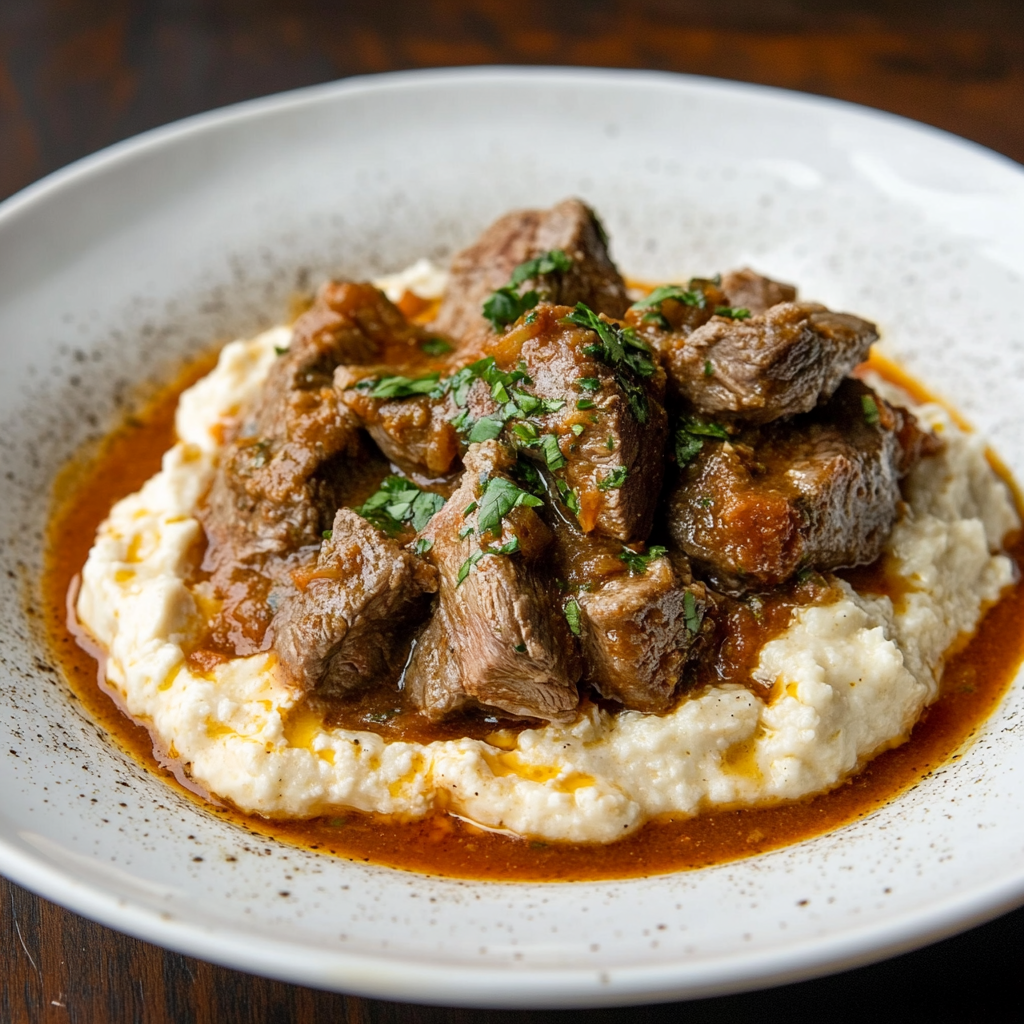
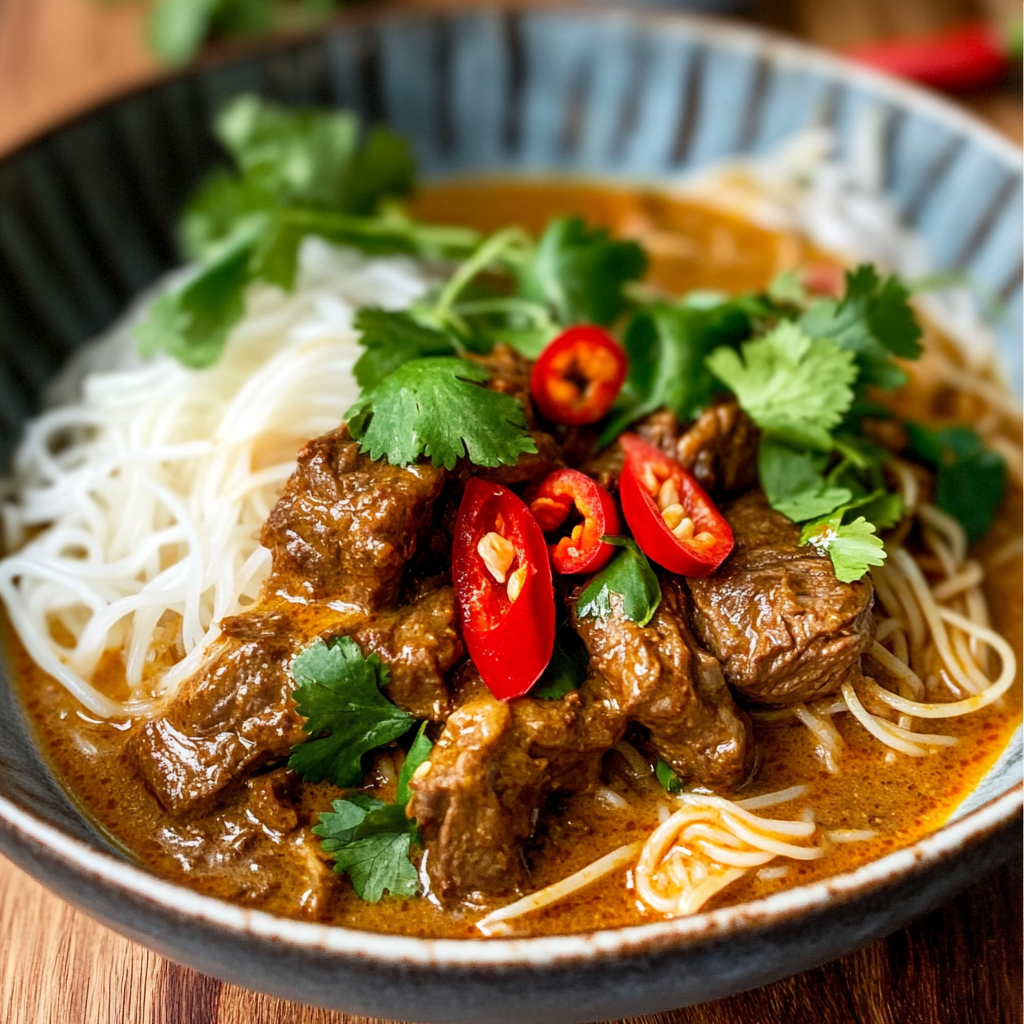
Reduce the heat to low, cover, and let it simmer for 1.5 to 2 hours. This slow cooking allows the beef to become tender and the flavors to meld beautifully. Stir occasionally, adding water if the sauce thickens too much. While the rendang is cooking, prepare the shirataki noodles according to package instructions. Once the rendang is done, taste and adjust the seasoning with salt if necessary. Serve the rendang over the shirataki noodles, garnishing with fresh cilantro for a pop of color and freshness. The final dish is not just a meal; it’s a celebration of flavors!
Expert Tips to Ensure Keto Cooking Success
Cooking keto can be a delightful adventure, but it does come with its own set of challenges. Here are some expert tips I’ve gathered over the years to help you navigate your keto journey with ease:
- Choose Quality Ingredients: Opt for grass-fed beef and organic vegetables whenever possible. Quality ingredients enhance flavor and nutrition.
- Prep Ahead: Spend a little time on the weekend prepping your ingredients. Chop vegetables, marinate meats, and store them in the fridge for quick weeknight meals.
- Experiment with Spices: Don’t be afraid to play with spices! They can elevate your dishes and keep your meals exciting. Try adding turmeric, cumin, or coriander to your rendang for an extra flavor boost.
- Monitor Your Macros: Keep track of your carbohydrate intake to ensure you stay within your keto limits. Apps like MyFitnessPal can be helpful for this.
- Stay Hydrated: Drink plenty of water throughout the day. Staying hydrated can help curb cravings and keep your energy levels up.
- Adjust Cooking Times: Every stove is different. Keep an eye on your rendang as it simmers, and adjust cooking times as needed to achieve that perfect tenderness.
- Don’t Skip the Garnish: Fresh herbs like cilantro or basil not only add color but also enhance the flavor profile of your dish. A little garnish goes a long way!
- Be Patient: Good things take time! Allow your rendang to simmer and develop flavors. The wait is worth it for that rich, comforting taste.
By following these tips, you’ll set yourself up for keto cooking success and create delicious meals that you and your family will love!
Essential Kitchen Tools for This Keto Recipe
Having the right kitchen tools can make all the difference when preparing Malaysian Rendang with Shirataki Noodles. Here’s a list of essential tools that will help you create this delicious dish with ease:
- Large Pot or Dutch Oven: Ideal for slow cooking the rendang, ensuring even heat distribution. A heavy-bottomed pot works best.
- Cutting Board: A sturdy cutting board is essential for chopping your ingredients safely and efficiently.
- Sharp Knife: A good chef’s knife will make quick work of chopping onions, garlic, and ginger.
- Measuring Spoons and Cups: Accurate measurements are key to achieving the perfect balance of flavors in your rendang.
- Wooden Spoon or Spatula: Use this for stirring your ingredients without scratching your pot. It’s perfect for mixing and scraping the bottom.
- Colander: Essential for rinsing and draining the shirataki noodles before serving.
- Serving Spoon: A large serving spoon will help you dish out the rendang over the noodles with ease.
- Kitchen Timer: Keep track of your cooking times to ensure your beef becomes perfectly tender.
With these tools at your disposal, you’ll be well-equipped to create a mouthwatering Malaysian Rendang with Shirataki Noodles that your family will love!
Delicious Variations to Customize Your Keto Dish
One of the best things about Malaysian Rendang with Shirataki Noodles is its versatility. You can easily customize this dish to suit your taste preferences or dietary needs. Here are some delicious variations to consider:
- Vegetarian Rendang: Swap out the beef for firm tofu or tempeh. This plant-based option absorbs the rich flavors beautifully and is perfect for a meatless meal.
- Spicy Rendang: If you love heat, add sliced fresh chilies or a pinch of cayenne pepper to the curry paste. This will elevate the dish and give it a fiery kick!
- Herb-Infused Rendang: Experiment with different herbs like lemongrass or kaffir lime leaves. These additions will enhance the aromatic profile and bring a fresh twist to the traditional recipe.
- Nutty Rendang: For a unique flavor, stir in a tablespoon of almond or peanut butter towards the end of cooking. This will add creaminess and a subtle nutty taste that complements the spices.
- Low-Sodium Option: If you’re watching your sodium intake, use low-sodium soy sauce or coconut aminos instead. This way, you can enjoy the same great taste without the extra salt.
- Rendang with Vegetables: Add in some low-carb vegetables like bell peppers, zucchini, or spinach during the last 30 minutes of cooking. This not only boosts the nutrition but also adds color and texture to your dish.
Feel free to mix and match these variations to create your perfect Malaysian Rendang with Shirataki Noodles. The possibilities are endless, and each twist will make your meal feel new and exciting!
Best Keto-Friendly Sides & Beverage Pairings
To elevate your Malaysian Rendang with Shirataki Noodles, consider these delicious keto-friendly sides and beverage pairings. They complement the rich flavors of the rendang while keeping your meal low in carbs:
- Cauliflower Rice: A fluffy, low-carb alternative to traditional rice, it soaks up the rendang sauce beautifully.
- Steamed Broccoli: This nutrient-packed vegetable adds a nice crunch and vibrant color to your plate.
- Garlic Butter Zucchini Noodles: A light and flavorful side that pairs well with the rich rendang, adding a fresh twist.
- Asian Cucumber Salad: A refreshing salad with a tangy dressing that balances the richness of the rendang.
- Roasted Brussels Sprouts: Crispy and caramelized, these sprouts add a delightful texture and flavor contrast.
- Avocado Salad: Creamy avocado mixed with lime juice and cilantro provides a refreshing and healthy side.
For beverages, consider:
- Iced Green Tea: A refreshing drink that complements the spices in the rendang without adding carbs.
- Coconut Water: A hydrating option that adds a hint of sweetness and pairs well with the coconut milk in the dish.
- Sparkling Water with Lime: A bubbly, refreshing drink that cleanses the palate between bites.
- Herbal Tea: A soothing option that can be enjoyed hot or cold, perfect for winding down after a hearty meal.
These sides and beverages will not only enhance your dining experience but also keep your meal aligned with your keto goals. Enjoy your culinary adventure!
FAQs About Making Malaysian Rendang with Shirataki Noodles at Home
1. Can I make Malaysian Rendang with Shirataki Noodles in advance?
Absolutely! This dish actually tastes even better the next day as the flavors continue to meld. You can prepare the rendang ahead of time and store it in the refrigerator. Just reheat it gently before serving over freshly prepared shirataki noodles.
2. What can I substitute for shirataki noodles?
If you can’t find shirataki noodles, you can use zucchini noodles or spaghetti squash as low-carb alternatives. Both options provide a similar texture and will pair well with the rich Malaysian rendang.
3. How spicy is Malaysian Rendang with Shirataki Noodles?
The spice level can vary based on the rendang curry paste you use. If you prefer a milder dish, opt for a less spicy paste or reduce the amount. For those who enjoy heat, feel free to add fresh chilies or cayenne pepper to kick it up a notch!
4. Can I make this dish vegetarian?
Yes! To create a vegetarian version of Malaysian Rendang with Shirataki Noodles, simply substitute the beef with firm tofu or tempeh. Use vegetable broth instead of coconut milk for a delicious plant-based alternative.
5. How do I store leftovers of Malaysian Rendang?
Store any leftovers in an airtight container in the refrigerator for up to 3 days. You can also freeze the rendang for up to 3 months. Just be sure to thaw it in the refrigerator before reheating!
Final Thoughts on This Easy Keto-Friendly Malaysian Rendang
As I reflect on my journey with Malaysian Rendang with Shirataki Noodles, I can’t help but feel a sense of joy. This dish has become a staple in my kitchen, not just for its incredible flavors but for the memories it creates around the dinner table. I encourage you to give this recipe a try, whether you’re a seasoned cook or just starting your keto journey. The combination of tender beef and aromatic spices, paired with the unique texture of shirataki noodles, is truly irresistible. So roll up your sleeves, gather your ingredients, and let the magic of cooking unfold!
Print
Malaysian Rendang with Shirataki Noodles is Irresistible!
- Total Time: 2 hours 15 minutes
- Yield: 4 servings 1x
- Diet: Low Calorie
Description
A delicious and irresistible Malaysian Rendang served with Shirataki Noodles, perfect for a hearty meal.
Ingredients
- 1 pound beef chuck, cut into 1-inch cubes
- 1 tablespoon vegetable oil
- 1 medium onion, finely chopped
- 4 cloves garlic, minced
- 1 tablespoon ginger, minced
- 2 tablespoons rendang curry paste
- 1 can (14 ounces) coconut milk
- 1 tablespoon soy sauce
- 1 tablespoon lime juice
- 1 tablespoon brown sugar
- 1 teaspoon salt
- 1 package (8 ounces) shirataki noodles, rinsed and drained
- Fresh cilantro, for garnish
Instructions
- In a large pot or Dutch oven, heat the vegetable oil over medium heat. Add the chopped onion and sauté until translucent, about 5 minutes.
- Stir in the minced garlic and ginger, cooking for an additional 2 minutes until fragrant.
- Add the beef cubes to the pot, browning them on all sides for about 5-7 minutes.
- Mix in the rendang curry paste, ensuring the beef is well coated. Cook for another 2 minutes.
- Pour in the coconut milk, soy sauce, lime juice, and brown sugar. Stir to combine and bring to a simmer.
- Reduce the heat to low, cover, and let it simmer for 1.5 to 2 hours, or until the beef is tender and the sauce has thickened. Stir occasionally and add water if the sauce becomes too thick.
- While the rendang is cooking, prepare the shirataki noodles according to package instructions. Drain and set aside.
- Once the rendang is done, taste and adjust seasoning with salt if necessary. Serve the rendang over the shirataki noodles and garnish with fresh cilantro.
Notes
- For a spicier version, add sliced fresh chilies or a pinch of cayenne pepper to the curry paste.
- To make it vegetarian, substitute beef with firm tofu or tempeh and use vegetable broth instead of coconut milk.
- Prep Time: 15 minutes
- Cook Time: 2 hours
- Category: Main Course
- Method: Simmering
- Cuisine: Malaysian
Nutrition
- Serving Size: 1 serving
- Calories: 350
- Sugar: 5g
- Sodium: 1000mg
- Fat: 25g
- Saturated Fat: 20g
- Unsaturated Fat: 5g
- Trans Fat: 0g
- Carbohydrates: 10g
- Fiber: 5g
- Protein: 30g
- Cholesterol: 80mg