





How to Make the Perfect Japanese Nabe Hot Pot
Making a Japanese Nabe Hot Pot is not just about following a recipe; it’s about creating a warm, inviting experience that brings family and friends together. I love how this dish transforms a simple gathering into a cozy feast. Let’s dive into the step-by-step process to ensure your hot pot turns out perfectly every time!
Step 1 – Prep Your Ingredients Quickly
Before you start cooking, take a moment to prep your ingredients. This will make the cooking process smoother and more enjoyable. Here’s what I do:
- Chop the napa cabbage and bok choy into bite-sized pieces.
- Slice the shiitake mushrooms and carrots.
- Cube the tofu into small, manageable pieces.
- Chop the green onions, setting some aside for garnish.
Having everything ready to go not only saves time but also allows you to enjoy the cooking process without feeling rushed.
Step 2 – Begin Cooking
Now, let’s get cooking! In a large pot, bring the dashi broth to a gentle simmer over medium heat. The aroma of the broth warming up is simply delightful. Once it’s simmering, add the boneless chicken thighs. Cook them for about 5 minutes, or until they’re fully cooked through. This step is crucial, as it ensures your protein is tender and juicy.
Step 3 – Combine Ingredients and Cook
Next, it’s time to add the vibrant vegetables! Stir in the shiitake mushrooms, napa cabbage, bok choy, and carrots. As they cook, you’ll notice the colors brightening and the kitchen filling with a mouthwatering scent. Let everything simmer together for an additional 5-7 minutes until the vegetables are tender but still have a bit of crunch.
Now, gently add the cubed tofu to the pot and let it simmer for another 3 minutes. This allows the tofu to soak up all those delicious flavors!
Step 4 – Final Touches & Serving Suggestions
Once everything is cooked, it’s time to season your hot pot. Stir in the soy sauce, mirin, sake (if using), and sesame oil. Taste and adjust the seasoning to your liking. Finally, remove the pot from heat and garnish with the chopped green onions. Serve your Japanese Nabe Hot Pot hot, alongside a bowl of cooked rice for a complete meal.
Enjoy the warmth and comfort of this dish, and don’t forget to share it with your loved ones!
Introduction to Japanese Nabe Hot Pot
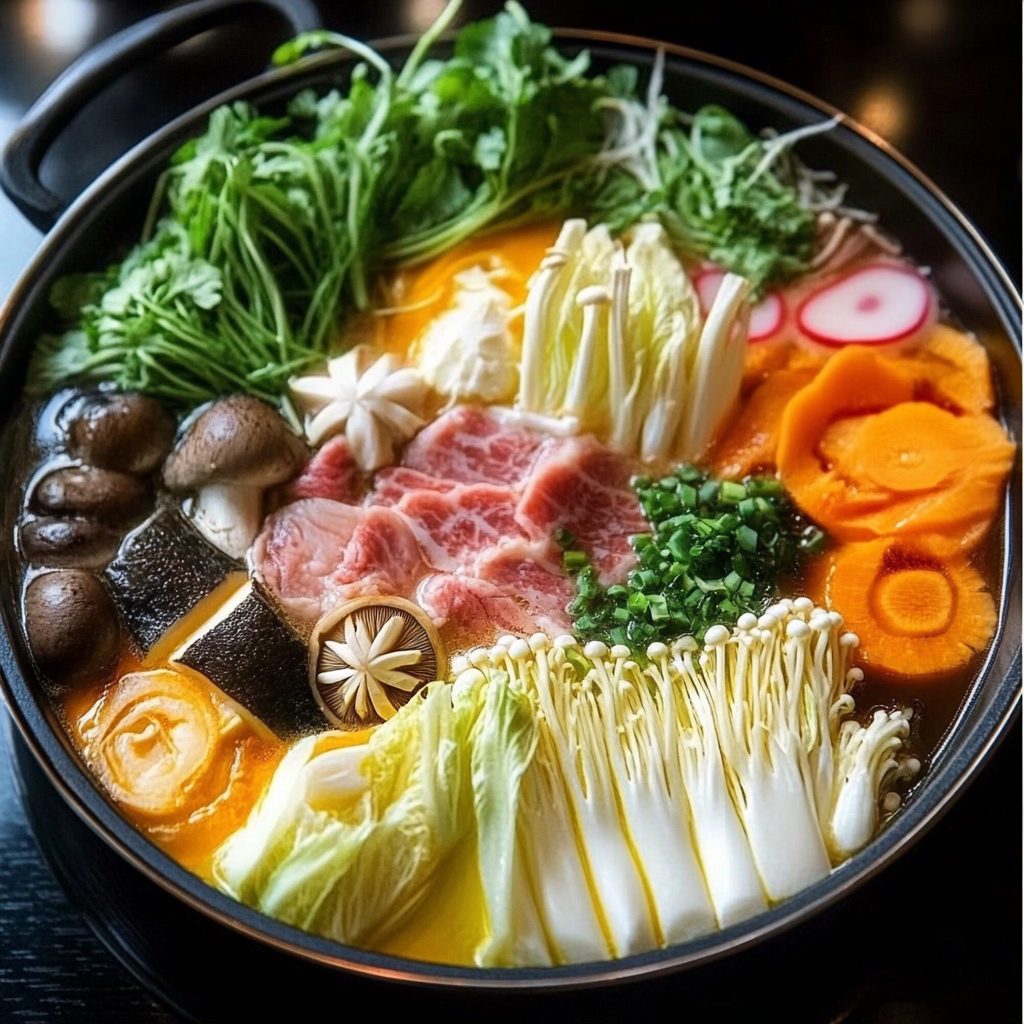
Japanese Nabe Hot Pot is more than just a meal; it’s a heartwarming experience that brings people together. Picture this: a steaming pot filled with vibrant vegetables, tender chicken, and silky tofu, all simmering in a flavorful broth. It’s the kind of dish that invites everyone to gather around the table, share stories, and enjoy each other’s company. As a busy home cook, I appreciate how this communal dish fits seamlessly into my hectic lifestyle.
What I love most about Japanese Nabe Hot Pot is its versatility and health benefits. Packed with nutrient-rich ingredients like leafy greens, mushrooms, and lean protein, it’s a wholesome choice for health-conscious adults. The dashi broth serves as a flavorful base, while the variety of vegetables adds essential vitamins and minerals. Plus, the ease of preparation means I can whip it up in just 35 minutes, making it perfect for those busy weeknights when time is of the essence.
Whether you’re looking to impress guests or simply enjoy a cozy night in, this dish is sure to become a favorite in your home. Let’s explore how to create this delightful Japanese Nabe Hot Pot together!
Why You’ll Love This Delicious Low-Carb Hot Pot Recipe
One of the best things about Japanese Nabe Hot Pot is its incredible convenience. As a busy home cook, I truly appreciate the beauty of a one-pot meal. With just a single pot to clean, I can focus on enjoying the meal rather than dreading the cleanup. In just 35 minutes, you can have a wholesome, delicious dinner ready to share with family or friends.
The rich flavors and textures of this hot pot are what make it a family favorite in my home. Each bite is a delightful combination of tender chicken, earthy shiitake mushrooms, and crisp vegetables, all swimming in a savory broth that warms the soul. The contrast between the silky tofu and the crunchy bok choy creates a satisfying mouthfeel that keeps everyone coming back for more.
What I love most is how this dish appeals to both traditional and modern tastes. Whether you’re a fan of classic Japanese cuisine or simply looking for a comforting meal that fits your low-carb lifestyle, Japanese Nabe Hot Pot delivers. It’s a dish that invites creativity, allowing you to customize it with your favorite ingredients while keeping it healthy and delicious.
So, if you’re searching for a quick, satisfying meal that brings everyone together, look no further than this delightful hot pot. It’s not just food; it’s an experience that nourishes both body and spirit!
Ingredients You’ll Need for This Recipe
To create a delicious Japanese Nabe Hot Pot, you’ll need a selection of fresh ingredients that come together to form a comforting and flavorful dish. Here’s what you’ll need:
- Dashi broth (or chicken broth): This serves as the flavorful base of your hot pot, infusing every ingredient with a rich umami taste.
- Boneless chicken thighs: A great source of protein, these tender pieces add heartiness to the dish.
- Shiitake mushrooms: Known for their deep, earthy flavor, these mushrooms enhance the umami profile of the broth.
- Napa cabbage and bok choy: These leafy greens provide freshness and a satisfying crunch, balancing the dish’s textures.
- Carrots: Their natural sweetness and vibrant color brighten up the hot pot, making it visually appealing.
- Tofu: This adds a silky texture and additional protein, soaking up the delicious flavors of the broth.
- Green onions: Chopped for garnish, they add a fresh, zesty flavor that elevates the dish.
- Soy sauce, mirin, sake, and sesame oil: These seasonings bring depth and complexity to the broth, making each bite a delight.
Feel free to customize your hot pot with optional ingredients like daikon radish or snow peas for extra crunch and flavor. The beauty of Japanese Nabe Hot Pot lies in its versatility, allowing you to adapt it to your taste preferences.
For your convenience, exact measurements for each ingredient will be provided at the end of this recipe, ensuring you have everything you need to create this cozy dish!
How to Make the Perfect Japanese Nabe Hot Pot
Making a Japanese Nabe Hot Pot is not just about following a recipe; it’s about creating a warm, inviting experience that brings family and friends together. I love how this dish transforms a simple gathering into a cozy feast. Let’s dive into the step-by-step process to ensure your hot pot turns out perfectly every time!
Step 1 – Prep Your Ingredients Quickly
Before you start cooking, take a moment to prep your ingredients. This will make the cooking process smoother and more enjoyable. Here’s what I do:
- Chop the napa cabbage and bok choy into bite-sized pieces.
- Slice the shiitake mushrooms and carrots.
- Cube the tofu into small, manageable pieces.
- Chop the green onions, setting some aside for garnish.
Having everything ready to go not only saves time but also allows you to enjoy the cooking process without feeling rushed.
Step 2 – Begin Cooking
Now, let’s get cooking! In a large pot, bring the dashi broth to a gentle simmer over medium heat. The aroma of the broth warming up is simply delightful. Once it’s simmering, add the boneless chicken thighs. Cook them for about 5 minutes, or until they’re fully cooked through. This step is crucial, as it ensures your protein is tender and juicy.
Step 3 – Combine Ingredients and Cook
Next, it’s time to add the vibrant vegetables! Stir in the shiitake mushrooms, napa cabbage, bok choy, and carrots. As they cook, you’ll notice the colors brightening and the kitchen filling with a mouthwatering scent. Let everything simmer together for an additional 5-7 minutes until the vegetables are tender but still have a bit of crunch.
Now, gently add the cubed tofu to the pot and let it simmer for another 3 minutes. This allows the tofu to soak up all those delicious flavors!
Step 4 – Final Touches & Serving Suggestions
Once everything is cooked, it’s time to season your hot pot. Stir in the soy sauce, mirin, sake (if using), and sesame oil. Taste and adjust the seasoning to your liking. Finally, remove the pot from heat and garnish with the chopped green onions. Serve your Japanese Nabe Hot Pot hot, alongside a bowl of cooked rice for a complete meal.
Enjoy the warmth and comfort of this dish, and don’t forget to share it with your loved ones!
Expert Tips to Ensure Keto Cooking Success
To make your Japanese Nabe Hot Pot truly shine, here are some expert tips I’ve gathered from my own cooking experiences. These actionable insights will help you achieve the best results while keeping your meal keto-friendly:
- Use fresh ingredients for maximum flavor: Fresh vegetables and high-quality chicken will elevate your hot pot, enhancing the overall taste and nutrition.
- Adjust seasoning to personal taste preferences: Don’t hesitate to tweak the soy sauce, mirin, or sesame oil to suit your palate. A little extra seasoning can make a big difference!
- Experiment with different vegetables for variety: Feel free to swap in your favorites or seasonal produce. Adding ingredients like daikon radish or snow peas can introduce new textures and flavors.
- Consider meal prepping ingredients for quicker assembly: Chop your vegetables and cube the tofu ahead of time. This way, you can whip up your hot pot in no time on busy weeknights!
By following these tips, you’ll not only simplify your cooking process but also create a delicious and satisfying Japanese Nabe Hot Pot that everyone will love!
Essential Kitchen Tools for This Keto Recipe
To make your Japanese Nabe Hot Pot a success, having the right kitchen tools on hand is essential. Here’s a list of the necessary items you’ll need:
- Large pot or Dutch oven: This is crucial for simmering your broth and cooking all the ingredients together.
- Sharp knife and cutting board: A good knife will make chopping vegetables and cubing tofu quick and easy.
- Ladle for serving: A ladle helps you serve the hot pot easily, ensuring everyone gets a hearty portion.
- Optional: rice cooker: If you want perfectly cooked rice to accompany your hot pot, a rice cooker can be a great addition to your kitchen.
With these tools at your disposal, you’ll be well-equipped to create a delicious and comforting Japanese Nabe Hot Pot that your family and friends will love!
Delicious Variations to Customize Your Hot Pot Dish
One of the best aspects of Japanese Nabe Hot Pot is its versatility. You can easily customize it to suit your taste preferences or dietary needs. Here are some delicious variations to consider:
- Add a spicy kick: If you enjoy a bit of heat, consider adding sliced jalapeños or a drizzle of chili oil to your broth. This will elevate the flavor profile and give your hot pot an exciting twist!
- Incorporate seafood: For a different protein option, try adding shrimp or fish to your hot pot. These seafood options cook quickly and add a delightful freshness to the dish.
- Experiment with different broths: While dashi is traditional, you can switch things up by using miso broth for a richer flavor or a vegetable broth for a lighter, plant-based option. Each broth brings its unique taste, making your hot pot experience even more enjoyable.
Feel free to get creative with your ingredients! The beauty of Japanese Nabe Hot Pot lies in its adaptability, allowing you to make it your own while keeping it delicious and satisfying.
Best Keto-Friendly Sides & Beverage Pairings
To complement your delicious Japanese Nabe Hot Pot, consider these easy, keto-friendly sides and beverage options. They not only enhance your meal but also keep it low in carbs:
- Cauliflower rice: A fantastic low-carb alternative to traditional rice, cauliflower rice absorbs the flavors of the hot pot beautifully while keeping your meal keto-friendly.
- Pickled vegetables: These add a tangy crunch that contrasts nicely with the warm, savory hot pot. Try pickled radishes or cucumbers for a refreshing side.
- Green tea: This traditional beverage pairs perfectly with Japanese cuisine, offering a light, refreshing taste that complements the flavors of your hot pot.
- Sparkling water: For a bubbly refreshment, opt for sparkling water. It’s a great way to cleanse your palate between bites and keeps you hydrated.
These sides and beverages not only enhance your dining experience but also align perfectly with your keto lifestyle. Enjoy your meal!
FAQs About Making Japanese Nabe Hot Pot at Home
As you embark on your journey to create the perfect Japanese Nabe Hot Pot, you might have a few questions. Here are some common queries I’ve encountered, along with helpful answers to guide you:
- What is the best broth for Nabe Hot Pot?
The best broth for Japanese Nabe Hot Pot is dashi, which provides a rich umami flavor. However, you can also use chicken broth for a heartier taste. Both options work wonderfully, so choose based on your preference! - Can I make this dish vegetarian?
Absolutely! To make a vegetarian version of Japanese Nabe Hot Pot, simply replace the chicken with additional tofu or your favorite plant-based protein. Use vegetable broth instead of dashi for a deliciously satisfying meal. - How do I store leftovers properly?
To store leftovers, let your Japanese Nabe Hot Pot cool completely before transferring it to an airtight container. It can be refrigerated for up to 3 days. When reheating, add a splash of broth to maintain moisture and flavor.
These FAQs should help you navigate any uncertainties as you prepare your Japanese Nabe Hot Pot. Enjoy the process and the delightful flavors that come with it!
Final Thoughts on This Easy Keto-Friendly Japanese Nabe Hot Pot
As I sit down to enjoy a steaming bowl of Japanese Nabe Hot Pot, I can’t help but feel a sense of warmth and connection. This dish is more than just a meal; it’s a celebration of togetherness, a way to gather loved ones around the table and share in the joy of good food. The vibrant colors of the vegetables, the tender chicken, and the silky tofu all come together to create a feast for the senses.
What I love most about this hot pot is its adaptability. You can customize it to suit your family’s tastes, whether that means adding extra spice, swapping in different vegetables, or even making it vegetarian. Each time I make it, I find new ways to make it my own, and I encourage you to do the same!
So, if you’re looking for a cozy, comforting dish that fits seamlessly into your busy lifestyle, give this Japanese Nabe Hot Pot a try. It’s quick to prepare, packed with nutrients, and perfect for sharing. I hope it brings as much joy to your table as it has to mine. Happy cooking!
Print
Japanese Nabe Hot Pot: A Cozy Recipe You’ll Love!
- Total Time: 35 minutes
- Yield: Serves 4
- Diet: Gluten Free
Description
A cozy and delicious Japanese Nabe Hot Pot recipe perfect for sharing with family and friends.
Ingredients
- 6 cups dashi broth (or chicken broth)
- 1 pound boneless chicken thighs, cut into bite-sized pieces
- 1 cup shiitake mushrooms, sliced
- 1 cup napa cabbage, chopped
- 1 cup bok choy, chopped
- 1 cup carrots, sliced
- 1 cup tofu, cubed
- 1 cup green onions, chopped
- 3 tablespoons soy sauce
- 2 tablespoons mirin
- 1 tablespoon sake (optional)
- 1 teaspoon sesame oil
- Cooked rice, for serving
Instructions
- In a large pot, bring the dashi broth to a simmer over medium heat.
- Add the chicken pieces to the pot and cook for about 5 minutes, or until the chicken is cooked through.
- Stir in the shiitake mushrooms, napa cabbage, bok choy, and carrots. Cook for an additional 5-7 minutes until the vegetables are tender.
- Gently add the tofu cubes to the pot and simmer for another 3 minutes.
- Stir in the soy sauce, mirin, sake (if using), and sesame oil. Adjust seasoning to taste.
- Remove the pot from heat and garnish with chopped green onions.
- Serve hot with cooked rice on the side.
Notes
- For a spicier version, add sliced jalapeños or a dash of chili oil to the broth.
- You can customize the vegetables based on your preference; try adding daikon radish or snow peas for extra crunch.
- Prep Time: 15 minutes
- Cook Time: 20 minutes
- Category: Main Course
- Method: Stovetop
- Cuisine: Japanese
Nutrition
- Serving Size: 1 bowl
- Calories: 350
- Sugar: 2g
- Sodium: 800mg
- Fat: 15g
- Saturated Fat: 3g
- Unsaturated Fat: 12g
- Trans Fat: 0g
- Carbohydrates: 20g
- Fiber: 3g
- Protein: 30g
- Cholesterol: 70mg


