





How to Make the Perfect Pad Thai
Making Pad Thai at home is not only rewarding but also a delightful way to bring the vibrant flavors of Thai cuisine into your kitchen. I love how this dish combines simplicity with a burst of taste, making it perfect for busy weeknights. Let’s dive into the step-by-step process of creating this delicious meal!
Step 1 – Prep Your Ingredients Quickly
Start by soaking the rice noodles in hot water for about 30 minutes. This step is crucial as it ensures the noodles are soft and ready to absorb all the flavors. While the noodles soak, dice your firm tofu into bite-sized pieces and chop the green onions. The fresh crunch of these ingredients will elevate your Pad Thai!
Step 2 – Begin Cooking
In a large skillet or wok, heat 2 tablespoons of vegetable oil over medium-high heat. Once the oil is shimmering, add the diced tofu. Cook it for about 5 minutes, stirring occasionally, until it turns golden brown. The aroma of sizzling tofu is simply irresistible!
Step 3 – Combine Ingredients and Cook
Now, push the tofu to one side of the skillet. Pour the lightly beaten eggs into the other side and scramble them until fully cooked. Once the eggs are fluffy and golden, mix them with the tofu. Next, add the soaked rice noodles along with the fish sauce, soy sauce, tamarind paste, and sugar. Toss everything together for about 3-4 minutes, ensuring the noodles are well coated and heated through. The colors and scents will make your kitchen feel like a Thai street market!
Step 4 – Final Touches & Serving Suggestions
Finally, stir in the bean sprouts and green onions, cooking for an additional 1-2 minutes until the sprouts are slightly wilted. This adds a lovely crunch to your dish. Remove the skillet from heat and serve your Pad Thai immediately, garnished with crushed peanuts, lime wedges, and fresh cilantro if desired. Each bite is a delightful mix of textures and flavors that will transport you straight to Thailand!
Introduction to Pad Thai
Pad Thai is more than just a dish; it’s a culinary experience that captures the essence of Thai cuisine. This beloved stir-fried noodle dish combines a symphony of flavors and textures, from the chewy rice noodles to the crispy bean sprouts and savory tofu. Each bite is a delightful dance of sweet, salty, and tangy notes that tantalize the taste buds.
For busy health-conscious adults like us, Pad Thai is a lifesaver. It’s quick to prepare, taking only about 40 minutes from start to finish, making it an ideal choice for weeknight dinners. With its balance of protein from tofu and eggs, wholesome carbs from rice noodles, and a generous serving of fresh vegetables, this recipe is not only nutritious but also satisfying.
Whether you’re looking to impress guests or simply enjoy a comforting meal at home, Pad Thai is a versatile dish that can easily be tailored to fit your dietary needs. Let’s explore how to create this delicious meal that brings the vibrant flavors of Thailand right to your kitchen!
Why You’ll Love This Delicious Low-Carb Pad Thai Recipe
One of the best things about this Pad Thai recipe is its incredible convenience. In just 40 minutes, you can whip up a flavorful meal that feels like a treat, even on the busiest of nights. I often find myself racing against the clock, and this dish is my go-to solution for a quick yet satisfying dinner.
The rich flavors of Pad Thai are what truly set it apart. The combination of savory tofu, tangy tamarind, and the umami kick from fish sauce creates a symphony of taste that dances on your palate. Each bite is a delightful mix of textures, from the chewy rice noodles to the crisp bean sprouts, making it a dish that never gets boring.
What I love most is how simple this recipe is. Even if you’re a novice in the kitchen, you’ll find that the steps are straightforward and easy to follow. With just a few ingredients and minimal prep, you can create a restaurant-quality meal right at home. It’s a perfect way to impress family or friends without spending hours in the kitchen!
So, whether you’re a busy professional, a parent juggling multiple responsibilities, or just someone who appreciates a good meal without the fuss, this low-carb Pad Thai recipe is sure to become a staple in your home. Let’s get cooking!
Ingredients You’ll Need for This Recipe
To create a delicious Pad Thai that bursts with flavor, you’ll need a few essential ingredients. Each one plays a vital role in bringing this dish to life:
- Rice noodles: The base of the dish, providing a chewy texture that perfectly absorbs the sauces.
- Firm tofu: A great source of protein that adds heartiness and a satisfying bite to your meal.
- Eggs: They contribute richness and flavor, making the dish even more delightful.
- Bean sprouts and green onions: These fresh ingredients add a lovely crunch and vibrant color to your Pad Thai.
- Fish sauce and tamarind paste: These are key for achieving the authentic flavor that makes Pad Thai so special.
- Optional ingredients: Consider adding shrimp or chicken for an extra protein boost, or use vegan alternatives for fish sauce if you prefer.
Don’t worry about memorizing everything just yet; exact measurements will be provided at the end of the recipe for your convenience!
How to Make the Perfect Pad Thai
Making Pad Thai at home is not only rewarding but also a delightful way to bring the vibrant flavors of Thai cuisine into your kitchen. I love how this dish combines simplicity with a burst of taste, making it perfect for busy weeknights. Let’s dive into the step-by-step process of creating this delicious meal!
Step 1 – Prep Your Ingredients Quickly
Start by soaking the rice noodles in hot water for about 30 minutes. This step is crucial as it ensures the noodles are soft and ready to absorb all the flavors. While the noodles soak, dice your firm tofu into bite-sized pieces and chop the green onions. The fresh crunch of these ingredients will elevate your Pad Thai!
Step 2 – Begin Cooking
In a large skillet or wok, heat 2 tablespoons of vegetable oil over medium-high heat. Once the oil is shimmering, add the diced tofu. Cook it for about 5 minutes, stirring occasionally, until it turns golden brown. The aroma of sizzling tofu is simply irresistible!
Step 3 – Combine Ingredients and Cook
Now, push the tofu to one side of the skillet. Pour the lightly beaten eggs into the other side and scramble them until fully cooked. Once the eggs are fluffy and golden, mix them with the tofu. Next, add the soaked rice noodles along with the fish sauce, soy sauce, tamarind paste, and sugar. Toss everything together for about 3-4 minutes, ensuring the noodles are well coated and heated through. The colors and scents will make your kitchen feel like a Thai street market!
Step 4 – Final Touches & Serving Suggestions
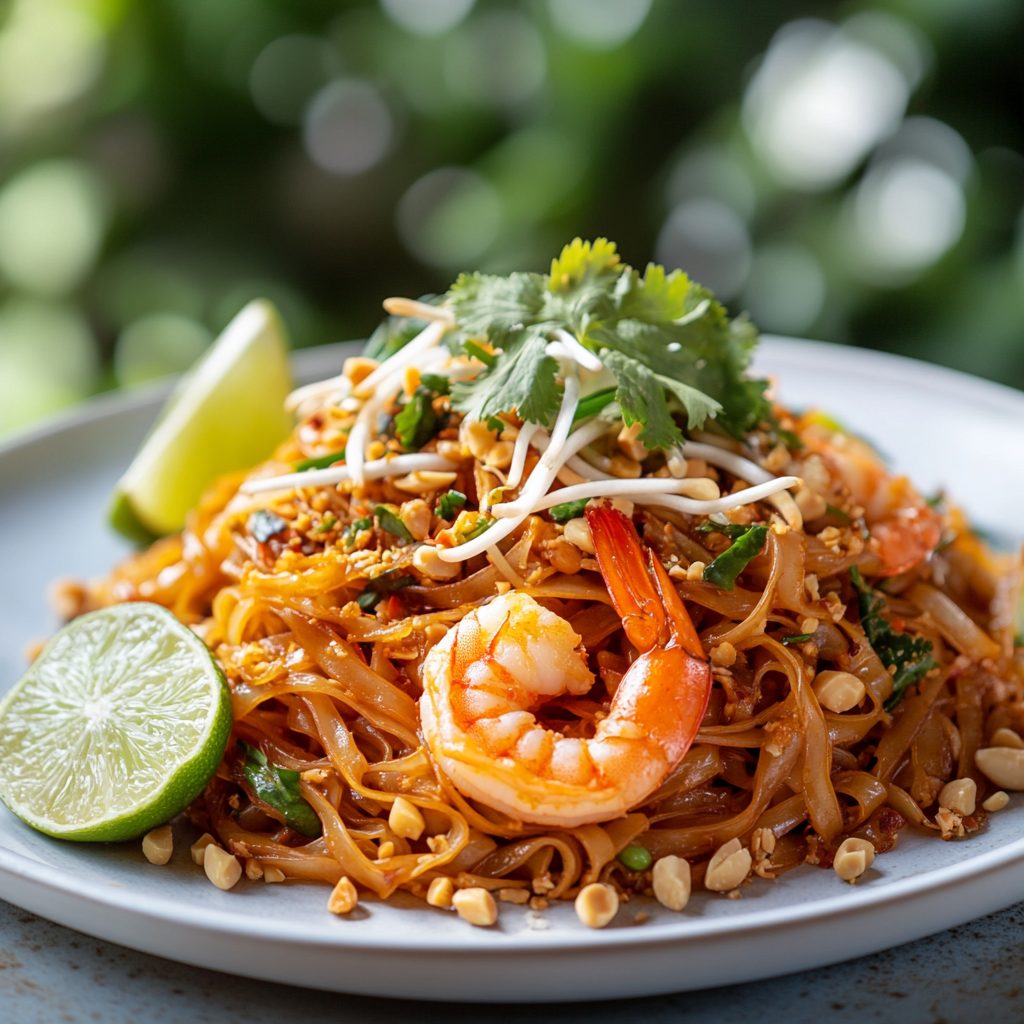
Finally, stir in the bean sprouts and green onions, cooking for an additional 1-2 minutes until the sprouts are slightly wilted. This adds a lovely crunch to your dish. Remove the skillet from heat and serve your Pad Thai immediately, garnished with crushed peanuts, lime wedges, and fresh cilantro if desired. Each bite is a delightful mix of textures and flavors that will transport you straight to Thailand!
Expert Tips to Ensure Keto Cooking Success
Creating the perfect Pad Thai is all about attention to detail and a few expert tips that can elevate your dish. Here are some actionable insights I’ve gathered from my own kitchen adventures:
- Use high-quality fish sauce: The flavor of your Pad Thai hinges on the quality of your fish sauce. Opt for a premium brand to achieve that authentic umami taste that makes this dish shine.
- Adjust cooking times based on protein choices: If you decide to add shrimp, chicken, or any other protein, be mindful of their cooking times. For instance, shrimp cooks quickly, so add it just before the noodles to prevent overcooking.
- Experiment with different vegetables: While bean sprouts and green onions are traditional, feel free to mix in other veggies like bell peppers, carrots, or snap peas. This not only adds color but also boosts the nutritional value of your meal.
- Ensure noodles are not overcooked: The texture of your rice noodles is crucial. Keep an eye on them while soaking and cooking; they should be tender but still have a slight bite. Overcooked noodles can turn mushy and detract from the overall experience.
By following these tips, you’ll not only perfect your Pad Thai but also enjoy a delightful cooking experience that brings the flavors of Thailand right to your table!
Essential Kitchen Tools for This Keto Recipe
To make your Pad Thai cooking experience smooth and enjoyable, having the right kitchen tools is essential. Here’s a list of the necessary tools you’ll need:
- Large skillet or wok: A spacious skillet or wok is crucial for stir-frying your ingredients evenly and allowing for easy tossing.
- Cooking utensils: A spatula and tongs will help you maneuver the ingredients without breaking them apart.
- Measuring cups and spoons: Accurate measurements ensure that your flavors are balanced and your dish turns out just right.
- Optional: A noodle strainer for easy draining of the soaked rice noodles, making the process quicker and mess-free.
With these tools at your disposal, you’ll be well-equipped to whip up a delicious Pad Thai that will impress your family and friends!
Delicious Variations to Customize Your Keto Dish
One of the best things about Pad Thai is its versatility. You can easily customize this dish to cater to different tastes and dietary needs. Here are some delicious variations to consider:
- Add shrimp or chicken: For a protein boost, toss in some shrimp or diced chicken. Both options cook quickly and pair beautifully with the flavors of Pad Thai. Just remember to adjust the cooking time accordingly to ensure they are fully cooked.
- Substitute tofu with tempeh: If you’re looking for a different texture, try using tempeh instead of tofu. Tempeh has a firmer consistency and a nutty flavor that adds a unique twist to your Pad Thai.
- Use zucchini noodles: For a low-carb alternative, swap out the rice noodles for spiralized zucchini noodles. This not only reduces the carb count but also adds a fresh, vibrant element to your dish.
These variations allow you to enjoy Pad Thai in new and exciting ways, making it a dish you can return to time and again without getting bored. Feel free to experiment and find the combination that suits your palate best!
Best Keto-Friendly Sides & Beverage Pairings
To elevate your Pad Thai experience, consider pairing it with some delicious keto-friendly sides and beverages. These options not only complement the flavors of your main dish but also enhance the overall meal. Here are my top recommendations:
- Cucumber salad with sesame dressing: This refreshing salad adds a crisp contrast to the warm Pad Thai. The sesame dressing brings a nutty flavor that perfectly balances the dish.
- Thai-style grilled vegetables: A medley of grilled bell peppers, zucchini, and eggplant seasoned with Thai spices makes for a colorful and nutritious side that pairs beautifully with the rich flavors of Pad Thai.
- Coconut water or unsweetened iced tea: For beverages, coconut water offers a light, tropical sweetness, while unsweetened iced tea provides a refreshing contrast without adding extra carbs.
These sides and drinks not only enhance your meal but also keep it aligned with your keto lifestyle. Enjoy the delightful combination of flavors and textures as you savor your homemade Pad Thai!
FAQs About Making Pad Thai at Home
As you embark on your Pad Thai cooking journey, you might have a few questions. Here are some common queries I’ve encountered, along with concise answers to help you navigate the process:
- Can I make Pad Thai ahead of time? Absolutely! You can prepare the ingredients in advance and store them separately in the fridge. However, I recommend cooking the dish fresh for the best texture and flavor. If you must make it ahead, reheat gently to avoid overcooking the noodles.
- What can I substitute for fish sauce? If you’re looking for a substitute, soy sauce is a great option. For a vegan alternative, consider using a vegan fish sauce or a mixture of soy sauce and a splash of lime juice to mimic the tangy flavor.
- How do I store leftovers? Store any leftover Pad Thai in an airtight container in the refrigerator for up to 3 days. When reheating, add a splash of water or broth to help revive the noodles and prevent them from drying out.
These tips should help you feel more confident as you prepare your delicious Pad Thai at home. Enjoy the process and the delightful flavors that come with it!
Final Thoughts on This Easy Keto-Friendly Pad Thai
Cooking is not just about preparing food; it’s about creating memories and sharing joy with those we love. As I reflect on my journey with Pad Thai, I’m reminded of the vibrant flavors and the satisfaction that comes from crafting a dish that feels both comforting and exciting. Each time I whip up this easy keto-friendly Pad Thai, I’m transported to the bustling streets of Thailand, where the aroma of sizzling noodles fills the air.
I encourage you to try this recipe and experience the magic of Pad Thai in your own kitchen. Whether you’re cooking for yourself, your family, or friends, this dish is sure to impress. Don’t hesitate to experiment with the ingredients and make it your own. I’d love to hear about your culinary adventures! Share your experiences, tips, and any variations you try in the comments below. Let’s foster a community of passionate home cooks who celebrate the joy of cooking together!
Print
Pad Thai: Discover the Secret to Perfecting Flavor!
- Total Time: 40 minutes
- Yield: 4 servings 1x
- Diet: Vegetarian
Description
A delicious and flavorful Pad Thai recipe that combines rice noodles, tofu, and fresh vegetables, perfect for a quick meal.
Ingredients
- 8 ounces rice noodles
- 2 tablespoons vegetable oil
- 1/2 cup firm tofu, diced
- 2 large eggs, lightly beaten
- 2 cups bean sprouts
- 1/2 cup green onions, chopped
- 1/4 cup peanuts, crushed
- 3 tablespoons fish sauce
- 1 tablespoon soy sauce
- 1 tablespoon tamarind paste
- 2 teaspoons sugar
- 1 lime, cut into wedges
- Cilantro for garnish (optional)
Instructions
- Soak the rice noodles in hot water for about 30 minutes, or until they are soft. Drain and set aside.
- In a large skillet or wok, heat the vegetable oil over medium-high heat. Add the diced tofu and cook until golden brown, about 5 minutes.
- Push the tofu to one side of the skillet and pour the beaten eggs into the other side. Scramble the eggs until fully cooked, then mix with the tofu.
- Add the soaked rice noodles to the skillet, along with the fish sauce, soy sauce, tamarind paste, and sugar. Toss everything together until the noodles are well coated and heated through, about 3-4 minutes.
- Stir in the bean sprouts and green onions, cooking for an additional 1-2 minutes until the sprouts are slightly wilted.
- Remove from heat and serve immediately, garnished with crushed peanuts, lime wedges, and cilantro if desired.
Notes
- For a vegetarian version, substitute fish sauce with soy sauce or a vegan fish sauce alternative.
- Add shrimp, chicken, or your choice of protein for a heartier meal. Adjust cooking times accordingly to ensure proteins are fully cooked.
- Prep Time: 30 minutes
- Cook Time: 10 minutes
- Category: Main Course
- Method: Stir-fry
- Cuisine: Thai
Nutrition
- Serving Size: 1 serving
- Calories: 400
- Sugar: 2g
- Sodium: 800mg
- Fat: 15g
- Saturated Fat: 2g
- Unsaturated Fat: 13g
- Trans Fat: 0g
- Carbohydrates: 50g
- Fiber: 3g
- Protein: 15g
- Cholesterol: 150mg


